April is Sexual Assault Awareness Month, a month of raising awareness, supporting survivors, and fostering a culture of respect, consent, and healing.

Sexual assault can leave deep emotional, mental, and physical impacts—but healing is possible, and support is available. Many survivors carry silent pain due to fear, shame, or stigma. This month reminds us that your story matters, your voice matters, and your healing matters.

Experiencing trauma can affect mental health in many ways:

  • Anxiety and constant fear

  • Depression or emotional numbness

  • Difficulty trusting others

  • Flashbacks or intrusive thoughts

Consent Matters!

It’s raising awareness about respect, boundaries, and healthy relationships. One helpful way to understand consent is through the acronym FRIES:

  • Freely Given – Consent is given without pressure, guilt, or influence.
    Example: You ask, “Can I have some of your fries?” and they say “Sure!” because they want to—not because they feel pressured.

  • Reversible – Anyone can change their mind at any time.
    Example: They say yes at first, then later say, “Actually, I don’t want to share anymore,” and you respect that.

  • Informed – You know exactly what you are agreeing to.
    Example: You ask for one fry, but then try to grab a handful—this isn’t okay because they didn’t agree to that.

  • Enthusiastic – Consent should be a clear, confident “yes.”
    Example: They say, “Yes, go ahead!” with no hesitation—not “I guess” or silence.

  • Specific – Saying yes once does not mean yes every time.
    Example: Just because they shared their fries yesterday doesn’t mean they want to share them today.

Creating a culture of consent means respecting boundaries, communicating clearly, and understanding that consent is ongoing.

How We Can Support Survivors

  • Listen without judgment
    Sometimes, the most powerful support is simply being present.

  • Believe and validate
    Avoid questioning their experience—validation fosters safety.

  • Respect boundaries
    Healing takes time, and everyone’s journey looks different.

  • Encourage professional help

    Therapy can provide a safe space for processing trauma.

Breaking the silence starts with awareness. By educating ourselves, supporting survivors, and advocating for change, we create a safer and more compassionate community.

If you or someone you know needs support, reaching out to a trusted professional or organization can make all the difference.

Explore past editions and timeless resources.

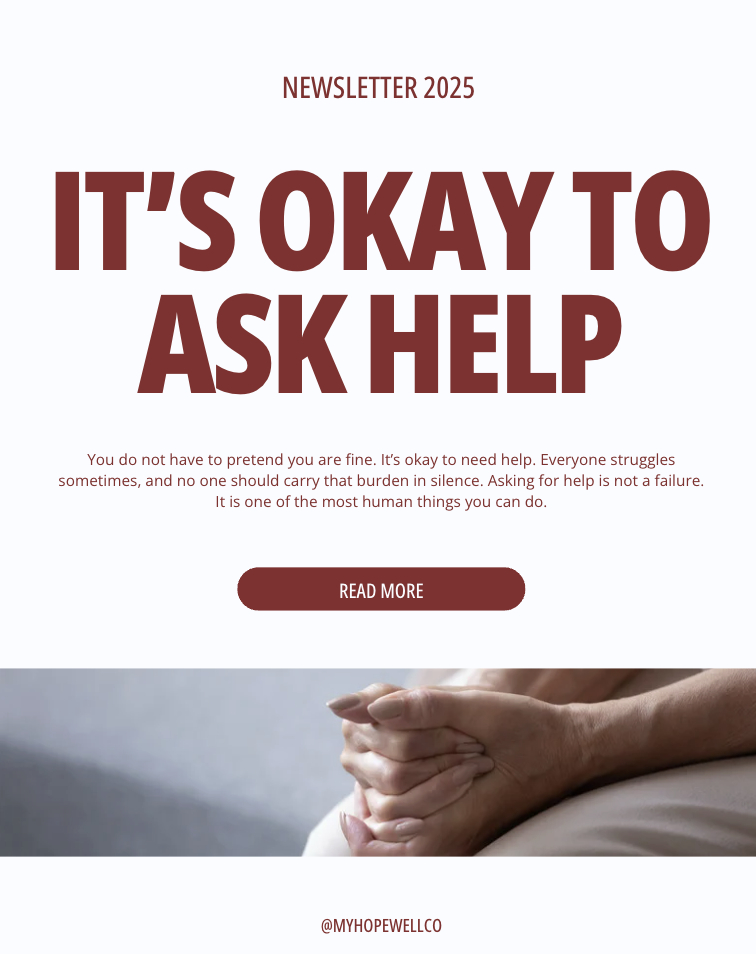
A newsletter 2025 titled 'It's Okay to Ask Help' with a 'Read More' button and an image of hands clasped for support.